

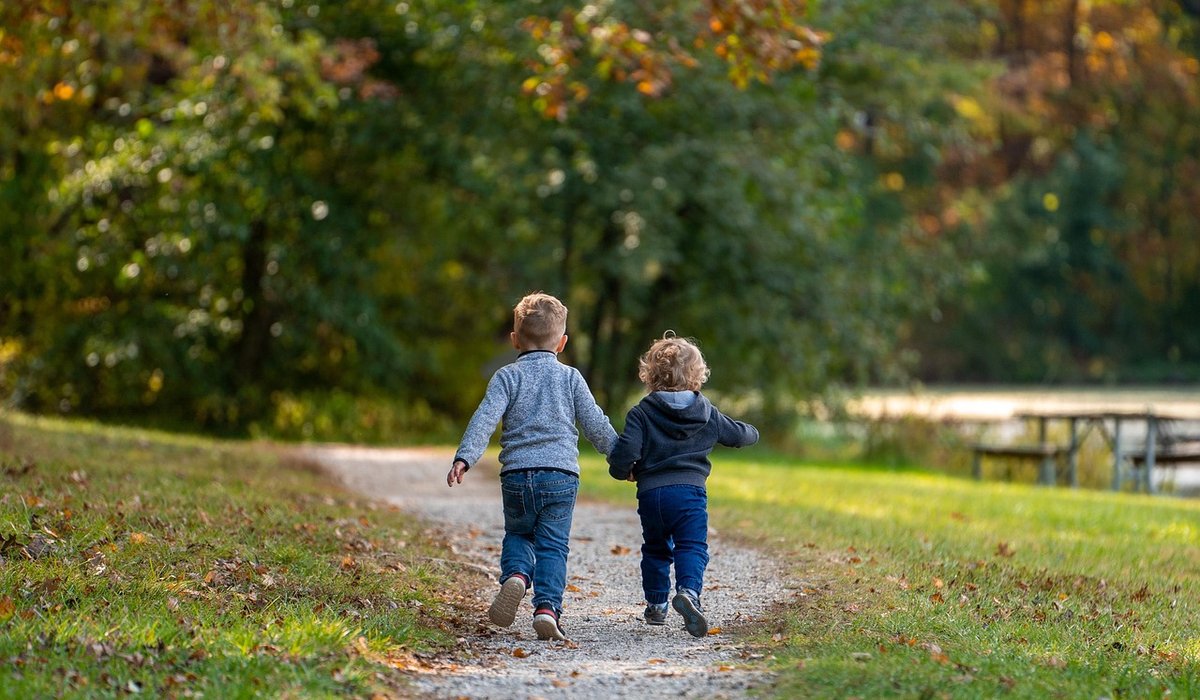
Why a Scavenger Hunt Works
A gentle afternoon woodland wander is one of the great simple pleasures of family life. But let’s be honest: children can lose interest after twenty minutes unless they have something to do. A nature scavenger hunt turns a stroll into a quiet adventure. It slows everyone down, sharpens the senses and gives even the most reluctant walker a reason to peer under a log or squint at a leaf. The goal is not to tick everything off in record time, but to notice more than you would otherwise. You are not running a race; you are building curiosity.
Preparing Your Hunt
You do not need much kit. A small rucksack with a pencil, a notebook or a printed list, a magnifying glass and a few reusable bags is plenty. For younger children, draw simple pictures instead of writing words. Choose a woodland you know well, ideally with a mix of broadleaf trees and a few open glades. Check the weather and dress for it: wellies, long trousers and a waterproof are standard British woodland uniform. Tell everyone the boundaries before you set off—how far ahead they can go, and that they must stay within sight.
- Timing: Late morning or early afternoon works best. Avoid the last hour of daylight, when shadows make tracks hard to read.
- Pace: Aim for half a mile to a mile. A gentle wander beats a forced march.
- Rules: Only collect fallen leaves and feathers. Never pick anything growing, and never disturb a nest or a sett.
The Core List: Leaves, Feathers and Tracks
Your list should be simple, specific and achievable. Start with three categories that are common in almost every UK wood. Add a few wildcards for older children, but keep the core gentle.
Leaves. Look for shape and edge, not just colour. A good starter list:
- Oak: Lobed edges, often with a little stalk. Look for galls—small round bumps—on the underside.
- Ash: Pinnate leaves with paired leaflets and a single terminal leaflet. Often found on damp ground.
- Beech: Oval, wavy-edged leaves that turn copper in autumn. They hold onto the tree longer than most.
- Holly: Prickly, glossy and dark green. Only the lower leaves are spiky; higher ones are smooth.
- Ivy: Lobed when young, heart-shaped when mature. It is a home for insects, so just look.
Feathers. Feathers are best spotted, not collected—especially in spring and summer, when birds are nesting. A fresh feather can carry disease, so admire from a distance and tick it off your list.
- Woodpigeon: Soft grey with a white neck patch. Often on woodland edges.
- Jay: Striking blue and black barred wing feathers. Shy, but noisy.
- Crow or rook: All black, sturdy. Look for them on the ground after rain.
- Buzzard: Large, brown-barred feathers. Usually found in open glades or near perches.
Tracks and signs. The best time is after rain, on soft mud or snow. Walk slowly and look for patterns, not perfect prints.
- Deer: Two neat slots, like an upside-down heart. Fallow and roe are common.
- Badger: Five toes with a broad pad, often in a line. Look near setts and latrines.
- Fox: Smaller than a dog, with four toes and clear claw marks.
- Rabbit or squirrel: Small, grouped prints. Squirrels often leave a scatter of nibbled nuts.
- Other signs: Chewed pine cones, stripped bark, owl pellets, or holes in hazelnuts.
Reading the Woodland
Children need help to look. Teach them to stand still for a full minute and listen. Then look up: canopy, branches, holes. Then look down: leaf litter, mud, stones. Turn over a log carefully and put it back exactly as you found it. Use quiet voices—not because animals are deaf, but because stillness helps you notice. A hand lens or a pair of binoculars can turn a leaf into a landscape. If you find a track, ask questions: Which way was it going? How fast? Was it alone? Follow the story, not just the list. If you are unsure about a track, take a photo and look it up at home. And always leave the wood as you found it: take nothing but photos, leave nothing but footprints.
Making It Last
A scavenger hunt can grow with your family. For older children, add a camera or a sketchbook and ask them to draw three leaves in detail. For younger ones, use colours: find something red, something rough, something soft. You can also create a seasonal list: spring buds, summer butterflies, autumn fungi, winter tracks. Repeat the same walk in different seasons and compare. Keep a small nature journal at home, with pressed leaves and notes about the weather. Finish with a flask of hot chocolate and a biscuit, sitting on a log. The hunt is not really about the list; it is about the habit of looking. The best hunts are the ones you repeat until the wood feels like an old friend. Do it often enough and your children will start pointing things out before you do.



John Doe
14 January, 2022Having no content in post should have adverse..
Chauffina Carr
10 April, 2022We use these tests all time! Killer stuff!
Jim Séchen
16 July, 2022Thanks for all the comments, everyone!