

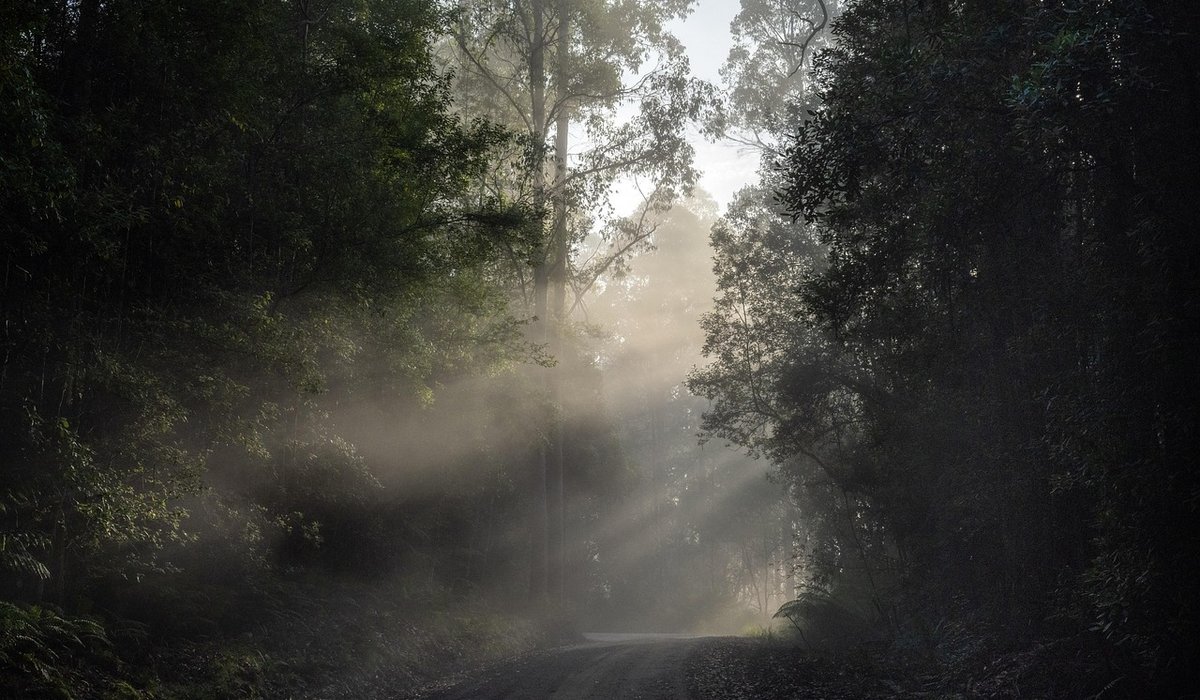
A first night under the stars is one of the great small adventures. You carry everything you need on your back, watch the light fade over a ridge, and wake to birdsong instead of traffic. Wild camping in the UK is achievable for complete beginners, but the freedom only survives because people treat these places with care. Here's how to do it properly.
Know the Rules Before You Go
The legal picture differs depending on where you are. In Scotland, the Land Reform (Scotland) Act 2003 gives a right of responsible access, and light-touch wild camping is allowed on most unenclosed land. That doesn't mean anywhere: keep away from enclosed fields, buildings, roads and machinery, and be aware that some areas around Loch Lomond and the Trossachs require a permit in summer.
In England, Wales and Northern Ireland, there is no general right to wild camp. You need the landowner's permission. Some national parks operate permissive schemes on certain commons, and Dartmoor has designated areas where camping is tolerated under a code — check the current local rules before you set off, as they change. The honest beginner's route in England and Wales is a bothy, a remote shelter that is free to use on a first-come, first-served basis, or a small "nearly wild" campsite with no facilities and plenty of space.
Wherever you go, park considerately, never block a gate or track, and don't leave a vehicle overnight somewhere that will worry a farmer.
Leave No Trace: The Habits That Matter
This is the whole game. Get it right and wild places stay open to everyone.
- Pitch on durable ground. Short grass or gravel, never fragile moss, heather or soft bog. Move on after one or two nights.
- No fires. Use a stove. Fires scar the ground, kill soil life and start wildfires in dry spells. If you must, use an established fire ring in a permitted area — but a stove is easier, cleaner and lighter.
- Deal with toilet waste properly. Dig a hole 15–20cm deep with a trowel, at least 30m from water, streams and paths. Pack out the paper in a bag. Bury nothing else.
- Take everything home. That includes orange peel, tea bags, half-eaten pasta and the tiny bit of tape that fell off your mat.
- Keep groups small. Two or three tents maximum. A crowd stops being wild camping and starts being a festival.
- Respect livestock and wildlife. Leave gates as you find them, give cattle a wide berth, and keep dogs on a lead between March and July when ground-nesting birds are vulnerable.
- Arrive late, leave early. Pitch in the evening, be away by mid-morning. You'll disturb less and attract fewer questions.
Choosing Where to Pitch
Look for flat, well-drained ground with a little shelter from the wind. Avoid hollows, where cold air pools overnight, and never camp under dead branches or beside a lone tree in a storm. Steer clear of dry riverbeds and flood meadows — British weather can turn a trickle into a torrent while you sleep.
Aim for a spot you cannot be seen from a road or a house. Not because you're doing anything wrong, but because being invisible reduces conflict and makes the night feel properly remote. Check the ground before you lie down: broken glass, barbed wire and sheep droppings are all common. Pitch roughly 30m back from any water source, both for cleanliness and to dodge the worst of the midges.
The Kit You Actually Need
You don't need much, but the essentials matter more than you'd think.
- Tent: a three-season, two-person tent around 2–2.5kg. Freestanding designs cope better with rocky or peaty ground. Pitch it in the garden first.
- Sleeping mat: the most underrated item. An insulated mat with an R-value of 3 or more keeps the cold ground from draining you all night.
- Sleeping bag: a comfort rating near 0°C is right for a UK summer, plus a silk liner for extra warmth.
- Rucksack: 50–60 litres, properly adjusted.
- Clothing: waterproof jacket and trousers, a warm fleece or down layer, dry socks kept separately for sleeping.
- Cooking: small gas stove, pot, lighter, long spoon.
- Light: a headtorch, plus spare batteries. You'll use it more than you expect.
- Water: a filter or purification tablets, and a bottle or bladder.
- Hygiene: trowel, toilet paper in a sealed bag, hand sanitiser, a bin bag for everything.
- Safety: paper map and compass, charged phone, power bank, basic first aid, blister plasters, tick tool and a whistle.
- Scotland in summer: a midge head net. It weighs almost nothing and will save your sanity.
Water, Food and a Warm Night
Collect water from fast-flowing streams above farmland wherever possible, then filter it or boil it. Assume nothing from a lowland river is safe to drink straight. Carry two to three litres per person for an overnight, plus what you need for cooking.
Eat a hot, one-pot meal before you get cold, and cook outside the tent — never inside, even in the porch, because of carbon monoxide and the very real risk of setting fire to your shelter. Boil water, fill a well-sealed bottle, and put it in your sleeping bag as a hot water bottle. Sleep in dry base layers and keep tomorrow's clothes inside the bag with you so they're warm when you dress.
If midges find you, pitch somewhere breezy, retreat to the tent at dusk, and don't bother with much else — a stiff breeze is the only reliable repellent.
Your First Trip: A Simple Plan
Choose one night, a walk of two to four kilometres, and somewhere you already know a little. Go in summer, when the ground is dry and it barely gets dark, and pick a settled forecast rather than the only free weekend in your diary. Take a friend for the first outing.
Tell someone your route and expected return time, and message them when you're back. In the morning, do a slow tick check — armpits, waistband, behind the knees — and shake out your tent before packing. If the weather turns at 2am and you decide to walk out, that isn't failure. It's judgement, and it's exactly what a good wild camper does.



John Doe
14 January, 2022Having no content in post should have adverse..
Chauffina Carr
10 April, 2022We use these tests all time! Killer stuff!
Jim Séchen
16 July, 2022Thanks for all the comments, everyone!