

Why the Chilterns Rewards an Early Spring Visit
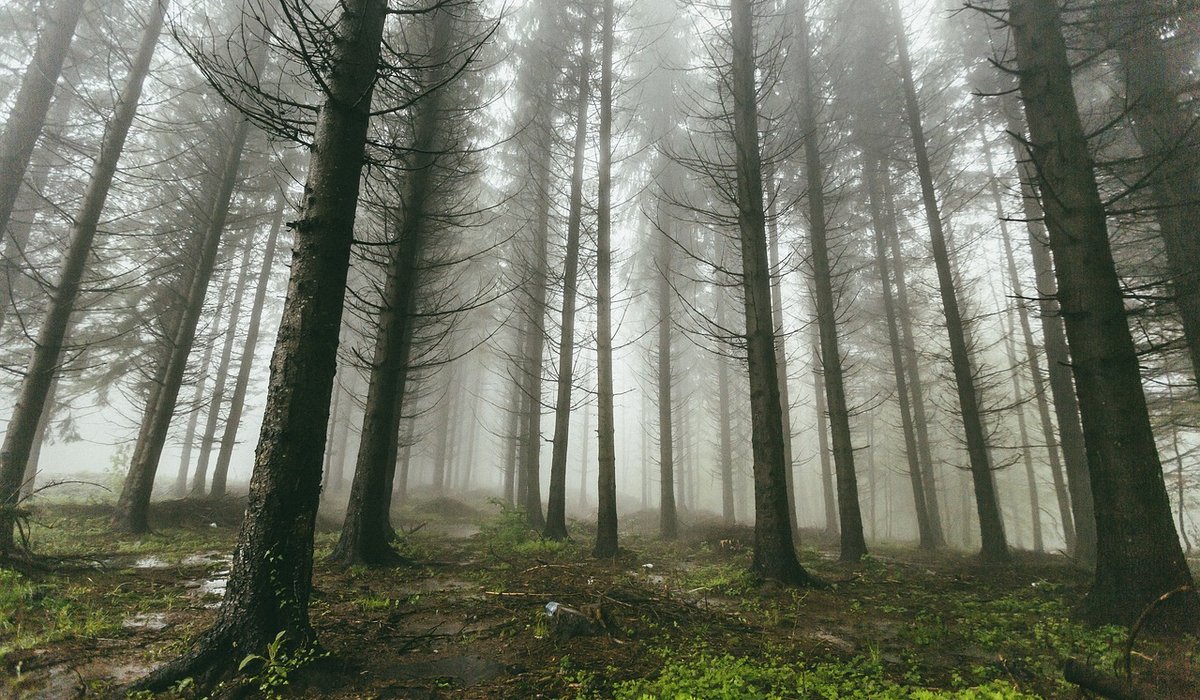
The Chilterns are at their most forgiving in spring. The beech hangers that define this stretch of Buckinghamshire, Hertfordshire and Oxfordshire are still bare enough to let the light through, so you get long views across the vale without the dense leaf cover that closes everything in by June. Paths that turn into chalky slides in winter have firmed up, the worst of the mud has gone, and the woods are loud with birdsong before the canopy muffles it.
Spring also brings a sequence of small events worth planning around: the first wood anemones, the arrival of chiffchaffs and blackcaps, wild garlic in the damper hollows, and finally the bluebells. Knowing roughly what happens when helps you choose the right week rather than turning up a fortnight early to a wood that is still grey.
Getting the Bluebell Timing Right
Bluebells are the reason many people make the trip, and they are notoriously easy to miss. In the Chilterns, native bluebells usually begin in the last week of April, peak in the first ten days of May, and are going over by the middle of the month. A warm, dry April can pull that forward by a week; a cold, wet one can push it back just as far.
Rather than picking a date and hoping, watch for the signals. When the beech buds are breaking and the wood anemones have been out for a fortnight, bluebells are usually a week to ten days behind. Height matters too — woods on the higher ridges come out later than sheltered valleys, so if you have missed the peak in one spot, a cooler, north-facing hanger a few miles away may still be in full flower.
Whatever you do, keep to the paths. Bluebell bulbs are easily damaged by compaction, and a wood that has been trampled for photographs takes years to recover.
Choosing a Gentle Trail
You do not need a long walk to have a good day out. Most Chiltern woods sit on a network of bridleways, old drovers' tracks and permissive paths that let you build a route of whatever length suits the group.
- Aim for a loop of three to five miles. Long enough to feel like a proper outing, short enough for small legs and reluctant teenagers.
- Follow the chalk streams. Valley routes along the Chess and the Misbourne stay flatter and offer herons, watercress beds and the occasional kingfisher.
- Take the ridge for the views. Paths along the top of the escarpment give you big skies and picnic spots with a bench.
- Check the gradient before you commit. A wood on a steep hanger can mean a sharp pull of two hundred feet in a very short distance.
- Prefer a circular route. Out-and-back is fine, but a loop keeps everyone interested to the end.
A paper map and a compass still beat a phone with a fading battery on these paths — the woodland rides all start to look alike once you are in deep.
Parking and Other Practicalities
Spring weekends in the Chilterns are busy, and the pinch points are all at the car parks. Arrive before ten in the morning or after three in the afternoon, or you will spend more time circling than walking.
- Bring coins as well as a card. Many woodland car parks charge by the day, and phone signal is patchy at exactly the moment you need it.
- Never block a field gate, driveway or passing place. These narrow lanes are used by tractors and residents all day long.
- Note the car park postcode before you set off. Rural addresses often cover a surprisingly wide area.
- Wear boots rather than trainers. Even in a dry spring, clay and chalk hold water in the hollows.
- Take everything home with you. Bins are the exception, not the rule.
Walking with Children, Dogs and Slower Paces
Plan for roughly half the distance you would cover alone, and build in a proper stop rather than eating on the move. A flask, a few biscuits and a fallen log to sit on will buy you more goodwill than any amount of encouragement. Give children something to look for — a list of five spring flowers, a race to spot the first butterfly, pooh sticks on a footbridge — and the miles pass without complaint.
Keep dogs under close control near livestock and ground-nesting birds, and check for ticks on everyone, including yourself, once you are back at the car. Long trousers tucked into socks look unfashionable and work brilliantly. Carry a small first aid kit, water for both humans and dogs, and a spare layer for the moment the sun drops behind a ridge and the temperature follows.
Camping and Longer Nature Escapes
If a single day does not feel like enough, spring is an excellent time to camp in this part of the world. Small farm sites and basic tent pitches start opening around Easter, and many will take bookings for the May bank holidays months in advance — so if you have a specific weekend in mind, book it early. Meadow pitches tend to be quieter than those beside a road, and a site with a wood within walking distance is worth more than one with a clubhouse.
Choose a campsite on the edge of the chalk rather than in the middle of it. That way you can walk straight out at dawn, when the woods are at their best and the only other people about are dog walkers and deer. Keep fires to designated firepits, respect quiet hours, and remember that a chilly April night in the Chilterns can still drop close to freezing. A decent sleeping mat and a warm hat will do more for your comfort than any amount of enthusiasm.
Leave the woods as you found them, and they will be just as generous next spring.



John Doe
14 January, 2022Having no content in post should have adverse..
Chauffina Carr
10 April, 2022We use these tests all time! Killer stuff!
Jim Séchen
16 July, 2022Thanks for all the comments, everyone!