

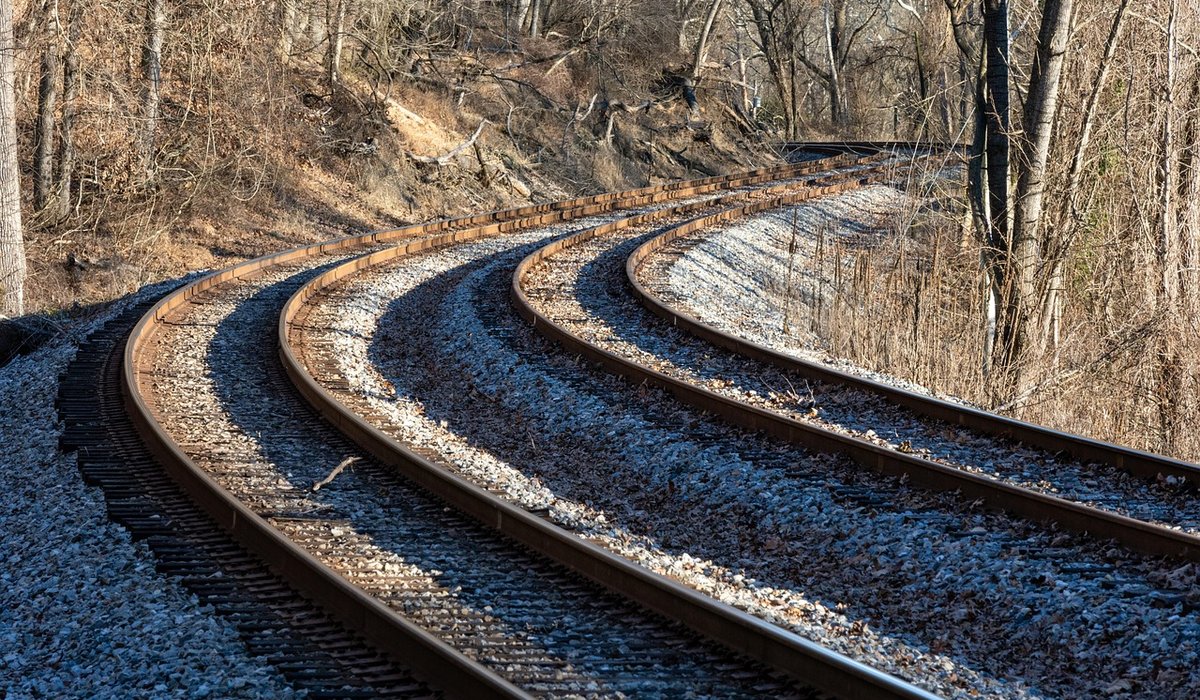
Why British Weather Rewrites the Rulebook
There is a particular kind of optimism that grips you at a car park on a bright morning in the Lake District or the Brecon Beacons. The sky is blue, the forecast looked reasonable, and you leave the waterproof trousers in the boot because they feel like an insult to the day. Four hours later you are on an exposed ridge, the wind has swung round, and a fine horizontal drizzle is finding every gap in your clothing. It happens to everyone eventually, and the lesson is always the same: on these islands, you pack for the weather that is possible, not the weather that is happening.
A day hike in Britain is not an expedition, but it does reward a bit of thought. You are usually within a few hours of a road, which is reassuring, yet the combination of changeable conditions, boggy ground, sharp temperature drops with altitude, and short daylight in winter means the right kit genuinely changes how much you enjoy the day. Here is what earns its place in the pack.
Layering: Three Thin Layers Beat One Thick One
The single most useful principle is to think in layers you can add and remove without stopping for long. Body temperature on a British hill swings constantly — you overheat on the climb, chill the moment you stop for a sandwich, and repeat that cycle all day. A single heavy jacket can only be on or off, which means you are either sweating or shivering.
- Base layer: a synthetic or merino wool top that moves sweat away from your skin. Cotton is genuinely best avoided — once it is wet it stays wet, and it pulls heat from you fast.
- Mid layer: a fleece or light synthetic jacket for warmth when you pause. This is the layer you will take on and off most often.
- Shell: a waterproof and windproof jacket with taped seams and a hood that fits over a hat. Pit zips are a small luxury that make a real difference on a long climb.
Add walking trousers that are quick-drying rather than heavy cotton, and carry a spare base layer in a dry bag for the walk back if the forecast is truly grim.
Waterproofs, and the Small Things People Forget
Waterproof trousers live in the bottom of your pack all year. They weigh very little and turn a miserable, soaking descent into a perfectly tolerable one. Waterproof over-trousers that zip up the side are easier to pull on over boots when the rain arrives without warning.
Beyond the jacket and trousers, a few unglamorous items do a disproportionate amount of work:
- Waterproof rucksack liner or dry bag: a wet spare fleece is useless. A lined pack keeps everything dry even if you end up carrying a sodden shell.
- Hat and gloves: a thin beanie and a pair of liner gloves cost almost nothing in weight. Wind on an open ridge will make you grateful for both, even in summer.
- Spare socks: wet feet are the fastest route to a miserable final hour. A dry pair at the car is a small triumph.
- Gaiters: underrated on heather, tussock and boggy moorland, where wet trousers wick water straight up to the knee.
Navigation That Does Not Depend on One Bar of Signal
Phone mapping apps are marvellous until the battery dies, the screen gets soaked, or you wander into a valley with no signal at all. Treat the phone as a convenient extra rather than your primary tool, and carry the essentials regardless of how short the walk is.
- Paper map and a baseplate compass: the relevant Ordnance Survey sheet for your area, folded into a clear case. Know how to take a bearing and follow it, even roughly.
- A power bank and cable: double the life of your phone and keep it available for emergencies.
- Head torch: small, light and the difference between a late finish and a genuine problem. Daylight vanishes quickly on autumn afternoons.
- Whistle: six blasts is the international distress signal, and it carries far further than a voice in wind.
Fuel, Water and the Art of the Mid-Walk Brew
Two litres is a sensible baseline for a half-day walk, more in summer or on a long, dry ridge with no streams. A flask of hot tea or coffee is not just a comfort — it lifts morale and warms you from the inside when you stop in a cold wind. On that note, eat before you feel hungry. Blood sugar dips quietly on a steady climb, and a sudden bonk two kilometres from the car is thoroughly avoidable.
- Oatcakes, flapjack, nuts, dried fruit, a couple of sandwiches, and something salty for when you have been sweating.
- A small stove and a brew kit if you like a proper stop, or a flask if you would rather keep moving.
- A blister kit with a couple of plasters and some tape, plus a small first aid pouch with painkillers and any personal medication.
Packing It Sensibly, Then Checking It Twice
Put the heavy items — water, stove, food — close to your back and high in the pack, keep the waterproofs near the top where you can reach them without unpacking everything, and use the side pockets for the things you want constantly. A 20 to 30 litre pack handles a British day hike comfortably.
Before you leave the house, glance at a mountain-specific forecast rather than a town one, tell someone where you are going and when you expect to be back, and check that your boots are still waterproof. Then go and enjoy it — with the right layers in the bag, a sudden shower becomes part of the day rather than the end of it.



John Doe
14 January, 2022Having no content in post should have adverse..
Chauffina Carr
10 April, 2022We use these tests all time! Killer stuff!
Jim Séchen
16 July, 2022Thanks for all the comments, everyone!