

Start with the surface, not the scenery
Before you study the view on the leaflet, look at the path underfoot. A route that suits a pushchair is one where the surface has been built, not merely worn in by walkers. In UK woodlands you will generally find four types, and they behave very differently on a drizzly Tuesday in November.
- Compacted gravel or resin-bound paths — the gold standard. Firm, free-draining and wide enough for two buggies to pass.
- Boardwalk — brilliant over bog and around ponds, but check for raised lips at each end and slippery green algae after rain.
- Tarmac forest drives — smooth and level, though they often double as cycle routes, so keep ears open for bells.
- Grass and mud — fine in a dry August, hopeless in February. Small swivel wheels will dig in and you will end up carrying both child and buggy.
Aim for a gradient no steeper than about 1:12 for a loaded pushchair, and remember that a slope you barely notice going out feels twice as long coming back with a tired toddler. Check the width of any gates too: something around 900mm will clear most buggies, while a traditional kissing gate almost certainly will not — look for a side gate or an accessible gap alongside it.
Routes that genuinely work for little legs and big wheels
The most reliable family trails tend to be old railway lines, canal towpaths and waymarked forest loops with a short and a long option. Former railway paths are the quiet heroes of the pushchair world: they were engineered for trains, so the inclines are gentle and the curves are wide. Many now sit within community woodlands and link a car park to a picnic meadow in under a mile.
Look for circular routes of roughly one to two miles with a bench every few hundred metres. A loop is far better than an out-and-back with small children, because the half-way point feels like progress rather than a turning back. If the trail notes mention "steep steps", "stile" or "uneven underfoot", believe them.
Picnic spots, toilets and the practical kit list
Woodland visitor hubs usually cluster the useful things together: parking, a hardstanding picnic area, accessible toilets — often opened with a RADAR key — and a short sensory trail. Arrive before 10.30am if you want a table near the play area, especially on bank holidays and during bluebell season.
- Wheels: pneumatic tyres cope with gravel far better than hard plastic ones.
- Weather shield and a spare blanket — woodland shade is genuinely cold, even in June.
- Change of socks for everyone, including the adults. Puddles are magnetic.
- Insect repellent and a tick card — a quick check after the walk is worth the faff.
- Flask and snacks — the nearest café may be a 20-minute drive away.
Picnic benches on grass are lovely until the ground is sodden; a lightweight tarpaulin doubles as a dry floor for crawling babies.
Wildlife hides that keep toddlers still
Hides are the secret weapon of family nature walks, because they give a restless child a job: being quiet and looking. Choose a hide with a low-level viewing slot or a full-height window so a pushchair can be parked right up against it. Pond-dipping platforms and bird-feeding stations are usually step-free and create the instant reward that young children need.
Late afternoon is underrated. Dusk brings out bats, owls and deer, and a hide with a bench means grandparents can rest while the children whisper. Take a small torch with a red setting, and remind everyone to keep voices low and doors closed gently behind them.
Camping and sleeping out nearby
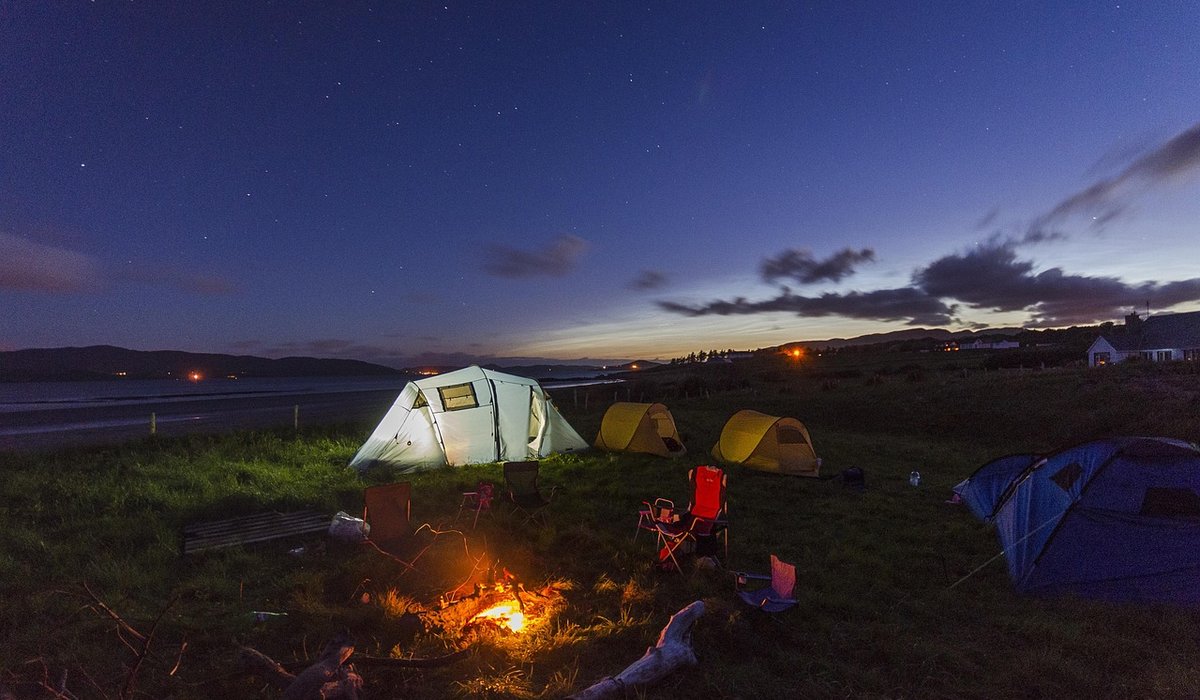
If you want to stretch the afternoon into an overnight escape, look for a small campsite within walking distance of the trail. Grass pitches turn boggy after heavy rain, so ask for a hardstanding electric pitch if you are in a tent with a buggy in tow. Family-friendly sites usually offer a few useful extras: a drying room, a washing-up shelter, a freezer for ice blocks and a curfew on noise after about 10pm.
Camping pods and wooden cabins are a gentle introduction for families who have never slept under canvas — they take the sting out of a wet arrival, and you can still eat outdoors and toast marshmallows. Book direct, check whether fires and barbecues are permitted, and confirm the arrival time, as many woodland sites have narrow access lanes that are awkward in the dark.
Tired-leg tactics and seasonal timing
Spring brings bluebells and mud in equal measure; summer means flies, nettles and the need for hats; autumn is arguably the best of all, with dry paths, conkers and warm light; winter demands waterproofs and a shorter plan. Whatever the season, walk half the distance you think you can manage, and turn back while everyone is still cheerful.
Bring a carrier as well as the pushchair on rougher routes, so a sleeping toddler can be transferred when the wheels give up. And remember that the best woodland afternoon is rarely the long one — it is the one that ends with dry feet, a flask of tea and a child asleep before the car reaches the end of the lane.





John Doe
14 January, 2022Having no content in post should have adverse..
Chauffina Carr
10 April, 2022We use these tests all time! Killer stuff!
Jim Séchen
16 July, 2022Thanks for all the comments, everyone!