

Why wild garlic is worth seeking out
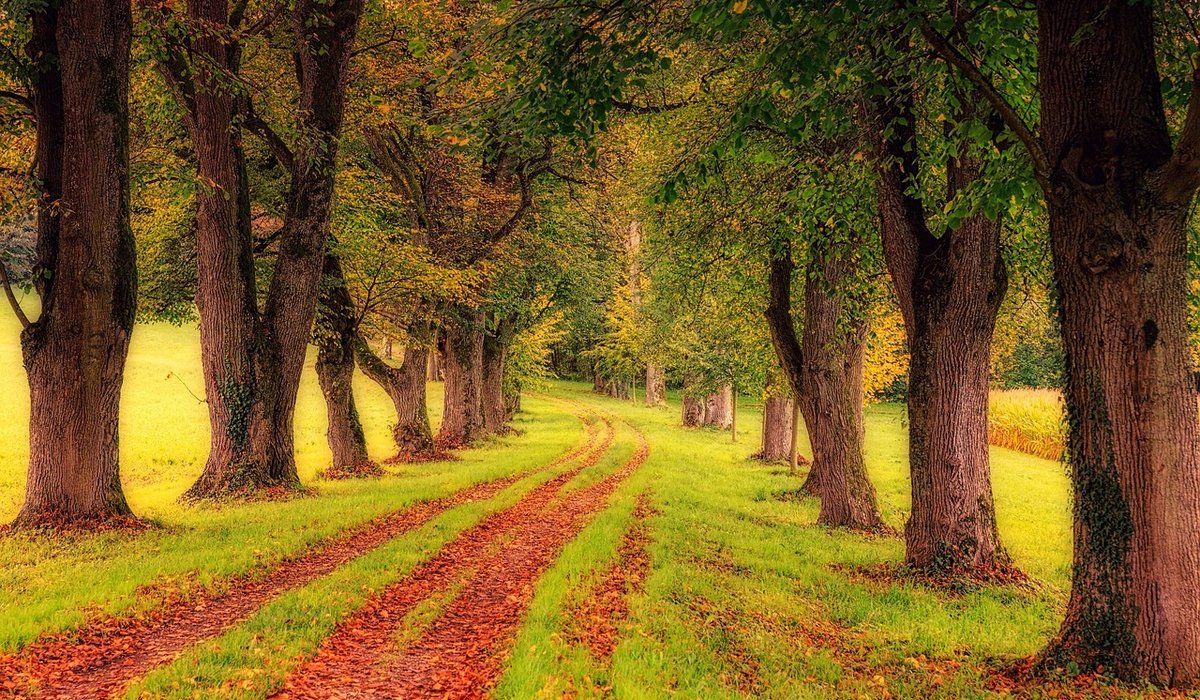
Wild garlic — ramsons, Allium ursinum — is one of the great rewards of a British spring. From late March, damp ancient woodlands fill with a green haze of broad leaves, and the smell of garlic drifts on the air long before you see the plants themselves. Walk a lane bordered by old hazel coppice and a stream, and your nose will usually tell you where the good patches are. It is free, abundant in the right places and wonderfully versatile in the kitchen. It also asks for a little restraint: these are delicate habitats, and a good forager leaves a wood exactly as it was found.
How to identify wild garlic with confidence
Get this right before you pick anything, because wild garlic has a handful of lookalikes that are unpleasant or genuinely dangerous.
- The leaves: broad, lance-shaped and slightly glossy, usually 15–25cm long. They are soft and a little floppy rather than stiff, deep green, with smooth edges and no spots or speckles. Each plant sends up a loose rosette of leaves from a single point at ground level, and the base of each leaf is wrapped in a thin, papery sheath.
- The smell: this is the test that matters. Snap or crush a small piece of leaf between your fingers and you get an immediate, unmistakable hit of fresh garlic. If there is no garlic scent, it is not wild garlic — walk on.
- The flowers: from roughly April to June, wild garlic sends up a slender triangular stem topped with a loose cluster of white, starry flowers. They are pretty, edible and excellent scattered over salad, though if you want the patch to spread it is worth leaving most of them to set seed.
- The bulb: hidden under the soil, a narrow white bulb that smells strongly of garlic. You should almost never see it, because you should not be digging.
The leaves are at their best from March until the flowers open. After that they turn fibrous and bitter, and the garlic punch fades.
Lookalikes to avoid
The classic confusion is with lily-of-the-valley, which is poisonous. Its leaves are similar in shape and colour, but they usually come in pairs from a creeping root, they tend to look more upright and ribbed, and they have no garlic smell whatsoever. Cuckoo pint, also called lords-and-ladies, has glossy arrow- or spear-shaped leaves, often with dark blotches, and is acrid and irritating to the mouth. Young bluebell leaves are narrower, more floppy and glossy, and again smell of nothing much. The rule is simple: crush, sniff, and if you are not certain, leave it alone. Never taste a plant you cannot identify.
Picking responsibly in ancient woodland
In England, Wales and Scotland, picking leaves, flowers or fruit of common wild plants for personal use is generally lawful, but uprooting any wild plant without the landowner's permission is an offence under the Wildlife and Countryside Act 1981. Sites of Special Scientific Interest, nature reserves and many country parks have their own bylaws, and in Northern Ireland the rules differ slightly again. Always check before you set off, and always ask permission on private land.
In practice, responsible picking looks like this:
- Take one or two leaves from each plant and never strip a plant bare. Leave the bulb and root undisturbed — cut with scissors rather than tugging.
- Harvest from the middle of a big, healthy patch rather than the edges, and skip the sparse ones entirely. Wild garlic spreads slowly and takes years to establish.
- Keep your feet on paths and ride the desire to wander. Ancient woodland soils are easily compacted, and the bluebells, wood anemones and dog's mercury around the garlic are easily crushed.
- Carry a cloth bag or a flat basket so leaves do not bruise, and only take what you will genuinely use within a week.
- Leave the oldest, least-disturbed woods alone altogether if there is a busy, well-used patch nearer home.
A simple wild garlic pesto
Rinse your leaves at home in cold water and pat them dry. For a small jar you will need roughly 100g of leaves, 50g of toasted nuts (pine nuts, hazelnuts or blanched almonds all work), 50g of finely grated hard cheese, 120–150ml of good olive oil, a squeeze of lemon juice and a little salt.
- Blitz the leaves and nuts together first, until you have a coarse, bright green rubble.
- Add the cheese, a squeeze of lemon and a pinch of salt, then pour in the oil in a steady stream while the processor runs.
- Taste, adjust the lemon and salt, and loosen with a little more oil if it feels thick.
Stir it through pasta, spoon it over new potatoes, or spread it on toast under a poached egg. It keeps for about a week in the fridge with a film of oil on top, and freezes beautifully in an ice cube tray.
Making the most of your haul
Beyond pesto, wild garlic leaves fold into omelettes, soups and risotto, or chop finely into softened butter with lemon zest for a fast garlic bread. A handful stirred into a potato salad is a fine thing. You can also pickle the unopened flower buds like capers. Whatever you make, use the leaves within a few days — the flavour fades quickly — and try to visit the same patch next spring. Watching a wood you know come back into leaf, year after year, is half the pleasure.





John Doe
14 January, 2022Having no content in post should have adverse..
Chauffina Carr
10 April, 2022We use these tests all time! Killer stuff!
Jim Séchen
16 July, 2022Thanks for all the comments, everyone!