

The Balanced Load: Why Distribution Beats Minimalism
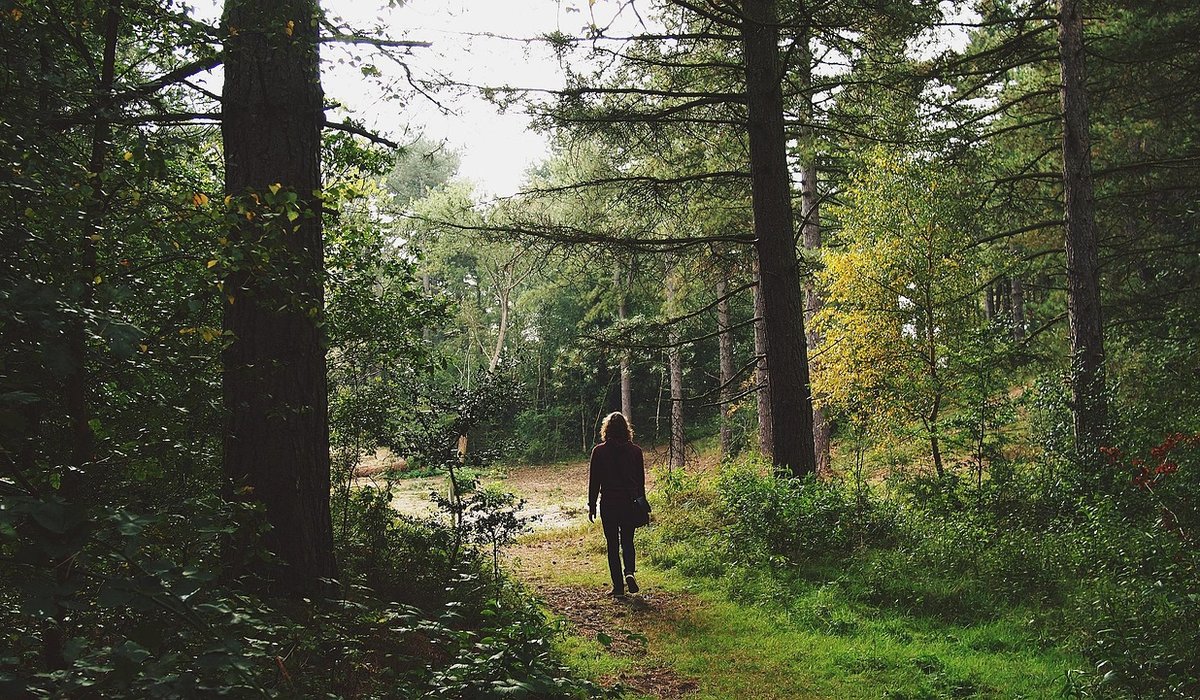
A long day walk through a British woodland is one of life’s quiet joys — bluebell carpets in spring, golden light through beech canopies in autumn, and the satisfying crunch of leaf litter underfoot. But the difference between a delightful ramble and a grumbling slog often comes down to one thing: how you pack your rucksack. It is not about carrying the least weight possible; it is about carrying the right weight in the right places. A balanced load sits close to your centre of gravity, moves with your body, and leaves your shoulders free to breathe and your hips to do the heavy lifting. Get this right and you will barely notice the pack after the first mile.
Weight Distribution: The Mid-Back Rule
The golden rule for any rucksack, whether you are tackling a rolling Cotswold trail or a steep Lakeland fell, is to place the heaviest items high and close to your spine, roughly between your shoulder blades. This keeps the weight over your hips rather than pulling you backwards. Think of your rucksack in three horizontal zones:
- Top and mid-back: Water bottles, stove, food for the day, and any dense items like a flask or a camera. These sit snug against your back.
- Bottom: Lighter, bulkier items such as a spare fleece, waterproof trousers, or a rolled-up sit mat. Avoid putting heavy items here — they will drag your pack down and cause you to lean forward.
- Outside pockets and lid: Items you need quickly — snacks, map, compass, sunscreen, midge repellent. Keep these light so they do not upset the balance.
Once packed, tighten the compression straps. A rucksack that shifts side to side will chafe and tire you out. The hip belt should carry 70–80 per cent of the load, with shoulder straps just holding the pack against your back. If your shoulders ache after an hour, your hip belt is too loose or the weight is too low.
Keeping Essentials Within Arm’s Reach
When you are walking through a muddy oakwood in November, you do not want to be rummaging through a top-loading compartment for your waterproof jacket. Accessibility saves time, keeps you warm, and reduces faff. Before you set off, ask yourself: what might I need in the next ten minutes? Those items go in hip belt pockets or the lid.
- Waterproof jacket and trousers: British weather can turn a sunny woodland walk into a soaking in minutes. Keep them at the top of the main compartment or in a side pocket.
- Map and compass (or a charged phone with offline maps): Woodland paths often lack signal. Keep navigation tools in a chest pocket or lid.
- Snacks: A handful of nuts, a flapjack, or a banana. You will burn more energy than you expect on uneven terrain.
- First aid kit: A few plasters, blister plasters, antiseptic wipes, and any personal medication. Small and light, but vital.
- Head torch: Even on a day walk, a wrong turn in dense woodland can delay you. A compact torch weighs almost nothing.
Food and Water for Changing Weather and Terrain
How much you carry depends on the forecast, the terrain, and your own sweat rate. For a full day in the UK hills or woods, aim for 1.5 to 2 litres of water. If it is hot and humid, or you are climbing steady gradients, bring 2.5 litres. In cold, windy conditions you may drink less, but you still need hydration. A flask of hot tea or soup is a morale booster on a frosty January walk.
Food should be energy-dense and easy to eat on the move. Sandwiches, pork pies, oatcakes, dried fruit, and chocolate are classic British walking fare. Avoid heavy tins or bulky packaging. If you are combining your walk with a night of wild camping or a campsite stay, remember that your evening meal and breakfast will add weight — distribute those heavier items at the top of your pack for the walk in, then repack once you pitch.
Terrain matters. A flat woodland loop might need only a litre and a couple of snacks. A day on the Pennine Way or a coastal path with steep steps demands more. Check for refill points — a village shop, a pub, or a stream (if you carry a filter). Never rely on finding water in remote woods.
Layering and Clothing: Pack for the Forecast, Prepare for the Worst
British woodland walks can go from balmy to bitter in an hour. The key is layering, not carrying a heavy coat. Wear a moisture-wicking base layer, a fleece or softshell mid-layer, and pack a lightweight waterproof shell. Add a spare pair of socks in a dry bag — wet feet are the quickest way to ruin a day. A warm hat and gloves weigh little but make a huge difference when the wind picks up in a conifer plantation. If midges are about, a head net is worth its weight in gold.
Test and Adjust Before You Set Off
Before you leave the car park, put your rucksack on and walk around for five minutes. Adjust the shoulder straps, hip belt, and load lifters until the pack feels like part of your body. If it sways, tighten the side compression straps. If your shoulders hurt, loosen them and tighten the hip belt. A well-packed rucksack should feel stable and comfortable — not heavy. Do this once and you will enjoy your woodland escape far more, leaving your energy for the trees, the wildlife, and the quiet satisfaction of a day well spent.



John Doe
14 January, 2022Having no content in post should have adverse..
Chauffina Carr
10 April, 2022We use these tests all time! Killer stuff!
Jim Séchen
16 July, 2022Thanks for all the comments, everyone!