

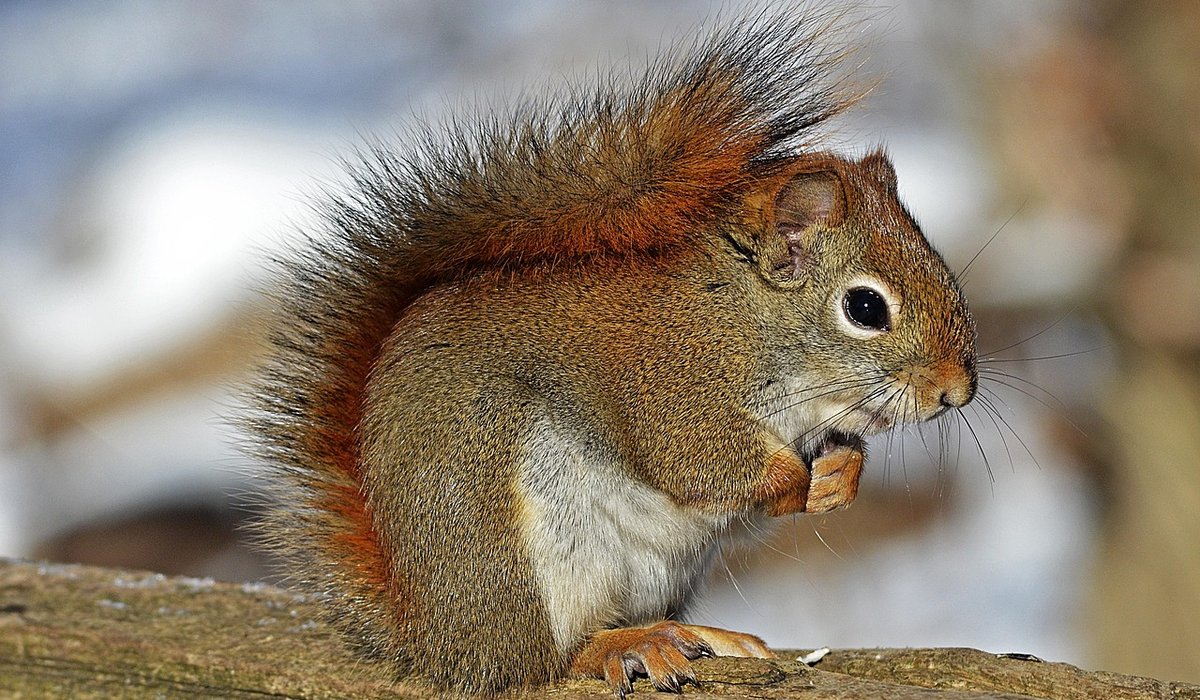
The Quiet Hour Before Sunrise
There is a moment, twenty minutes before sunrise, when a British woodland holds its breath. The tawny owls have fallen silent and the first faint light turns the hazel coppice grey-green. This is when deer move most freely. Roe and fallow deer have fed through the night and are now drifting back to their daytime beds. Arrive at 4am in June or 6am in October and you are already late. Be in position half an hour before first light, settled and still, with the wind in your face. The reward is a chance to watch these animals without a flicker of alarm.
Know Your Quarry: Roe and Fallow Deer
Roe deer are woodland specialists. They stand 60–75cm at the shoulder, with a rich reddish-brown summer coat that fades to grey in winter. Look for a black nose, large dark eyes, and a stark white rump patch on the doe. The buck has short, upright antlers with three points, cast in late autumn.
Fallow deer are larger and more herd-like. They are famous for their palmate antlers—broad and flattened like a hand—and variable coats. Some are pale fawn with white spots; others dark chocolate or black. At dawn, you might see does with last year’s fawns, or a bachelor group of bucks. One misplaced footstep can send the herd bounding away.
Reading the Woods: Signs and Habitats
Before you rely on luck, learn to read the woodland. Deer leave clues everywhere. Look for:
- Tracks: Two neat hooves, pointed at the front. Roe tracks are small, about 4cm; fallow tracks larger, around 6–7cm.
- Droppings: Roe produce small, dark, diamond-shaped pellets. Fallow pellets are larger and cylindrical.
- Fraying: Bucks rub their antlers on young trees, stripping bark. Look for fresh scars on willow or hazel.
- Trails: Well-worn paths through bracken or bluebells, often with a low tunnel through the undergrowth.
- Beds: Shallow oval depressions in leaf litter or grass, often on a south-facing slope.
Focus on edges: where woodland meets a field, a ride, or a stream. Deer feed on the margins, ready to slip into cover. A south-facing slope with open glades and thicket is prime dawn territory.
Wind, Sound and Stealth
Deer rely on smell more than sight. The wind is your most important ally—or worst enemy. Always approach with the wind in your face, or across your cheek. If the wind is at your back, your scent travels ahead and every deer knows you are coming. Check the wind by licking your finger or tying a thread to your binocular strap. Use terrain: move along ridges, behind hedges, or up a ditch. Avoid skylining yourself on a bank.
Sound is the second giveaway. Wear soft, non-rustling clothing—wool or fleece rather than crisp waterproofs. Move in slow, deliberate steps. Pause every few metres to listen. Deer freeze when they hear something, so if a head snaps up, stop and wait. Let them relax. A roe can stare for five minutes before feeding again. If you rush, you lose the encounter.
Binoculars and Fieldcraft: Seeing Without Being Seen
You do not need expensive kit, but a decent pair of binoculars transforms the experience. 8x42 or 10x42 roofs are ideal: light enough to carry, bright enough for dawn. Keep lenses clean and carry a microfibre cloth. Practise finding a deer quickly—start with your naked eye, then bring the binoculars up without losing the animal. Do not stare directly at a deer’s face; that can be perceived as a threat. Look slightly past it, or lower your gaze.
Fieldcraft is about breaking up your outline. Stand beside a tree trunk, not in front of it. Use a hedge or fallen log as a screen. Wear dull greens, browns or greys—no bright blue or white. Move when the deer is feeding or looking away; freeze when it looks up. Find a natural hide: a dense holly bush, a ditch bank, or a high seat. Sit still for twenty minutes. Deer will often appear as if from nowhere.
Camping and Woodland Escapes: Staying Overnight
To be in the wood at dawn, you need to be nearby. Camping is the best way to slow down and tune in. In England and Wales, wild camping is generally not permitted without the landowner’s permission, so use a small, quiet campsite on the edge of a forest. In Scotland, wild camping is legal under the Land Reform (Scotland) Act 2003, but follow the Scottish Outdoor Access Code: camp in small numbers, leave no trace, and avoid enclosed fields.
Pitch your tent by mid-afternoon. Keep noise to a minimum—no music, no loud voices. Cook and eat before dusk, then store food away from your tent to avoid attracting foxes or badgers. Set your alarm for an hour before sunrise. Use a red-light torch to preserve night vision. When you wake, dress quietly, brew a flask of tea, and slip out. Even if you see nothing, the dawn chorus alone is worth the effort.
One last thought: observe, do not pursue. If a deer becomes aware of you and stops feeding, you are too close. Back off, watch from a distance, and let the morning belong to them. That is the real skill—and the real reward.


John Doe
14 January, 2022Having no content in post should have adverse..
Chauffina Carr
10 April, 2022We use these tests all time! Killer stuff!
Jim Séchen
16 July, 2022Thanks for all the comments, everyone!