

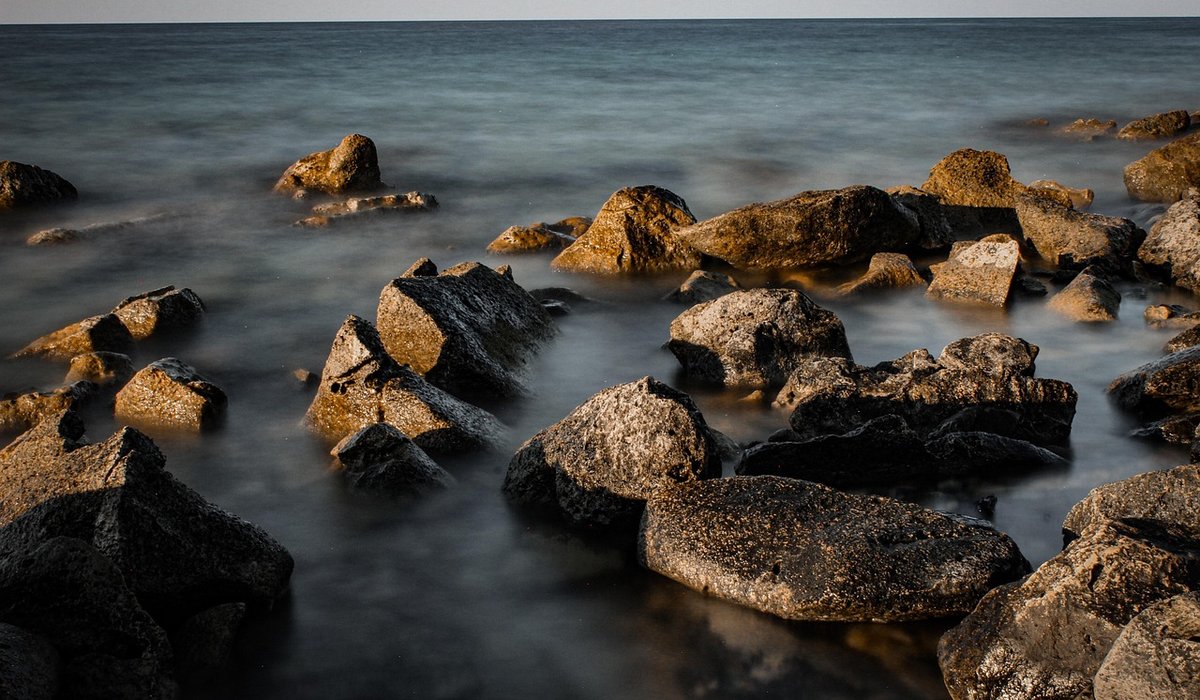
Why The Ground Beneath Your Tent Deserves Respect
Above roughly 500 metres in Britain, the landscape stops being forgiving. The growing season shrinks to a handful of weeks, the wind strips soil from exposed ridges, and what looks like a soft green carpet is often a community of mosses, lichens, cushion plants and dwarf shrubs that may have taken twenty or thirty years to establish. Feet are one thing; a tent, a sleeping mat and a restless sleeper for eight hours are another. A pitch that compresses a patch of woolly fringe-moss or dwarf willow can leave a scar still visible a decade later. None of this is a reason to stay away from the hills. It is a reason to be deliberate about where you put your tent.
Arrive Late, Leave Early
The old advice holds up remarkably well. Pitch in the last of the evening light and be packed and walking by first light. Dusk and dawn are when much of our upland wildlife is most active — deer moving between grazing grounds, ring ouzel and golden plover on the nesting edge, bats working the woodland margins — and the quietest thing you can do is simply not be there in the middle of it. Arriving late also means you are less likely to disrupt livestock management or surprise a farmer at their busiest hour.
A few specifics help:
- Park considerately, using a passing place only long enough to unload — never overnight, and never blocking a gate, track or turning head.
- Eat your main meal before you walk in, or cook quietly and briefly on a stove.
- Keep torches low and pointed at the ground; a bright beam sweeps across half a hillside.
- If the weather turns foul, resist the urge to relocate in the dark — wait for first light unless you are genuinely unsafe.
Choose Durable Ground
The single most effective thing you can do is pitch on surfaces that recover quickly, or not at all. Aim for bare rock, gravel, compacted earth, short dry grass or shingle well above the waterline. Anything soft, spongy or obviously alive is best left alone.
- Good: rock slabs, gravel flats, dry tussocky grass, established pitches that are already bare.
- Poor: moss, lichen, cushion plants, dwarf willow and birch scrub, bog, reeds, and the soft turf along stream and loch edges.
- Never: obvious patches of rare montane plants, or anywhere that looks as though it has never been trodden before.
Keep at least 30 metres back from lochs, streams and tarns, and well away from paths. Camping right on a bank tramples the vegetation that holds it together, and runoff from your pitch — however clean you think it is — ends up in the water. If you find a pitch already well worn, it is usually better to move on a little than to add to the damage.
Keep It Small, Keep It Quiet
Two or three small tents is a wild camp; ten is an event. Larger groups should ask the landowner or the national park authority first, and in many upland areas a group that size simply will not be welcomed. Voices carry further than you think across a still valley, and music is almost never appropriate. If you can hear someone else's conversation from your sleeping bag, they can hear yours.
If you are sharing a bothy, the usual courtesies apply: the first arrival does not own the place, nobody gets turfed off a sleeping platform, and everyone leaves it cleaner than they found it. Fires in bothies are a matter of local signage — follow it.
Waste, Water And Washing Up
This is where most well-meaning campers slip up, largely because the rules are more specific than people expect.
- Human waste: dig a hole 15–20 cm deep, at least 30 metres from any water and 50 metres from paths, then replace the turf. Carry out the paper and any wipes in a bag. Above the tree line the soil is often too thin to bury anything, so use a sealed bag or tube and pack it out.
- Never bury in peat or bog: nothing decomposes properly, and the next heavy rain will expose it.
- Feminine hygiene products and wet wipes: always pack out, without exception.
- Washing: collect water in a bowl and wash at least 30 metres from the stream. Soap, even biodegradable soap, is a pollutant in upland water. Strain food scraps and carry them out.
- Toothpaste: spit into a bag or a hole, not into the heather.
Stoves, Fires And Leaving No Trace
Use a stove. Open fires leave scars that last for decades, and gathering dead wood removes habitat for invertebrates and fungi. Many national parks now have bylaws restricting open fires and disposable barbecues, particularly through spring and summer, and some areas ban them outright. Check before you travel, and assume the answer is no unless you know otherwise.
Store food securely, cook and eat away from your tent, and never leave anything behind for the "next person". Teabags, orange peel, oat bar wrappers and bent tent pegs all go home in your pack. Before you go, confirm you actually have the right to camp where you plan to: wild camping is a legal right across most of Scotland under access legislation, though some areas have byelaws and permit schemes, while in England and Wales it generally requires the landowner's permission, with local arrangements in a few places. Pitch with care, sleep lightly on the land, and leave early enough that nobody could tell you had been there at all.



John Doe
14 January, 2022Having no content in post should have adverse..
Chauffina Carr
10 April, 2022We use these tests all time! Killer stuff!
Jim Séchen
16 July, 2022Thanks for all the comments, everyone!